Ultione / Journal
Compressed Sofa Guides
Why Compressed Sofa Fabric Fades: Sunlight, Windows and Placement
Check whether a compressed sofa’s color change is lighting or fading, understand lightfastness and plan window-side seating with practical shade.
A compressed sofa belongs in a room you enjoy using, including one with generous daylight. Before putting it beside the brightest window, watch where direct sun lands on the upholstery and how long that exposed patch stays there. You can preserve the view while planning shade for the furniture.
If you're choosing from ULTI ONE compressed sofas, treat color selection and exposure planning as two separate tasks. The first asks whether you like the fabric in your room. The second asks what light the finished sofa will receive over time.
 ULTI ONE compressed sofas
In a US or Canadian home, compare the winter sun path as well as summer shade when choosing the window-side seat.
Check appearance before calling it fading
If one cushion suddenly looks darker, compare it from the same viewing direction under the same light. Turn off a nearby lamp for the comparison if another section is receiving only daylight. Check whether the surface direction or a shadow accounts for what you see.
Textured upholstery deserves particular care in this inspection. Textile manufacturer Coats explains that lighting and viewing angles affect appearance. Moving around the sofa can change what you see, so a darker-looking area is a reason to compare conditions before drawing a conclusion.
Before reaching for cleaner, compare the same patch from both ends under one light. If the shading reverses with your viewpoint, pile direction deserves attention. If a fixed outline or sticky residue remains, record the recent spill or cleaning separately. Clear loose debris dry and absorb fresh spills with a dry white cloth; choose liquid treatment by the actual upholstery instructions. Repeated wet cleaning won't establish whether a color difference came from exposure.
Watch the sunlight move across the room
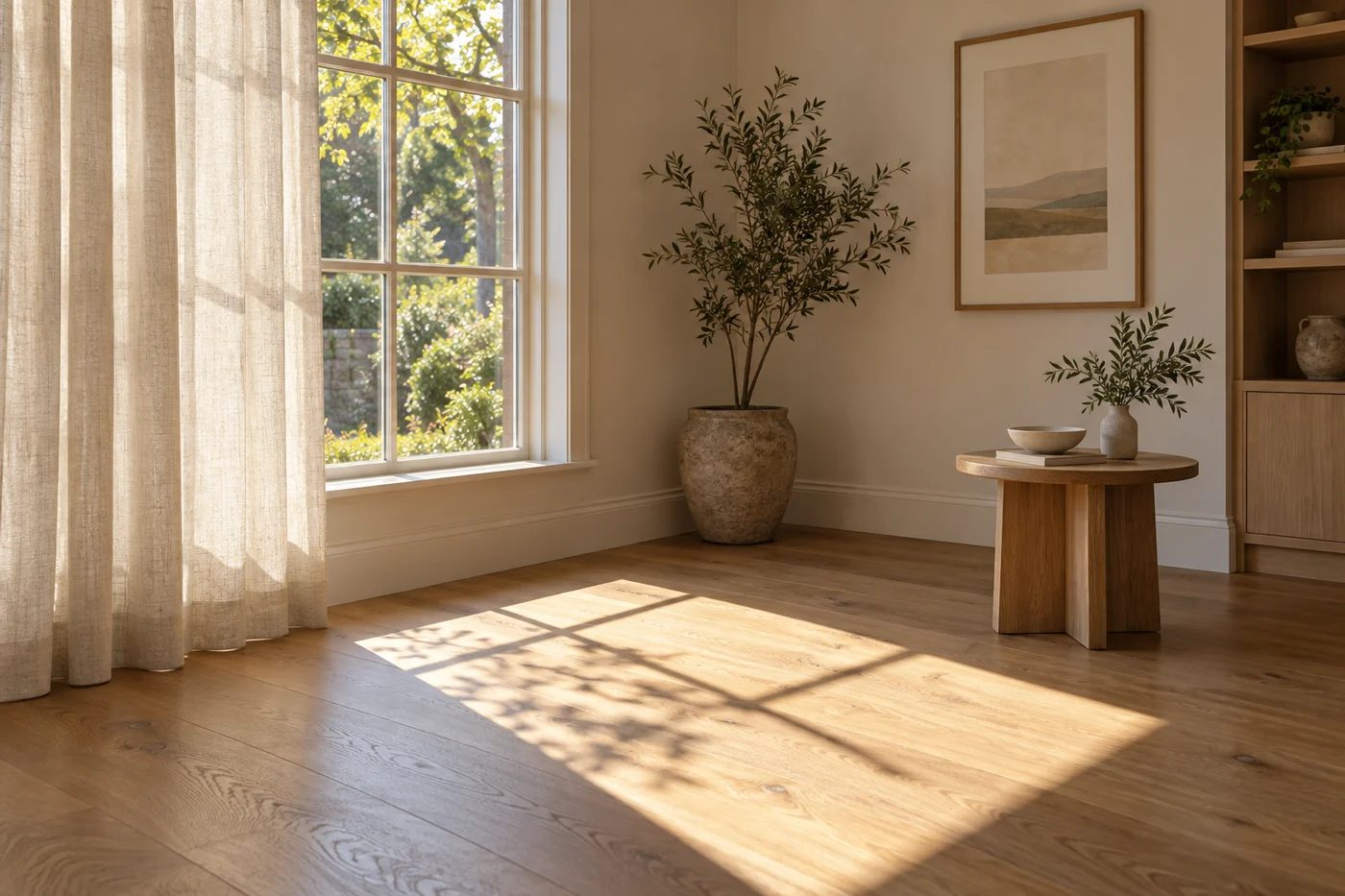
Observe your proposed seating spot in the morning, around midday and later in the afternoon. These are useful checkpoints. Record whether direct sun reaches the back cushions, seat or chaise and whether it remains there while you're out of the house.
Look at the actual exposure, not only the distance from the window. A sofa farther into the room can still sit in a direct beam. A nearer sofa can receive more shaded light, depending on the window, building and coverings. A universal “safe distance” would miss those differences.
Check again when seasons or your layout change. Today's sun patch isn't a year-round map. If you move the sofa to create a better conversation area, include shade and the walking route in that decision.
Use lightfastness information, not a rub count
Lightfastness describes resistance to fading from light. Abrasion describes surface wear from rubbing. A fabric can have information about one without a result for the other, so ask for the property relevant to a sunny room.
ACT's current indoor woven-fabric lightfastness guideline identifies laboratory methods and explicitly separates test-exposure hours from hours of service. A result does not translate directly into a number of years beside your window.
Reduce exposure without closing off the room
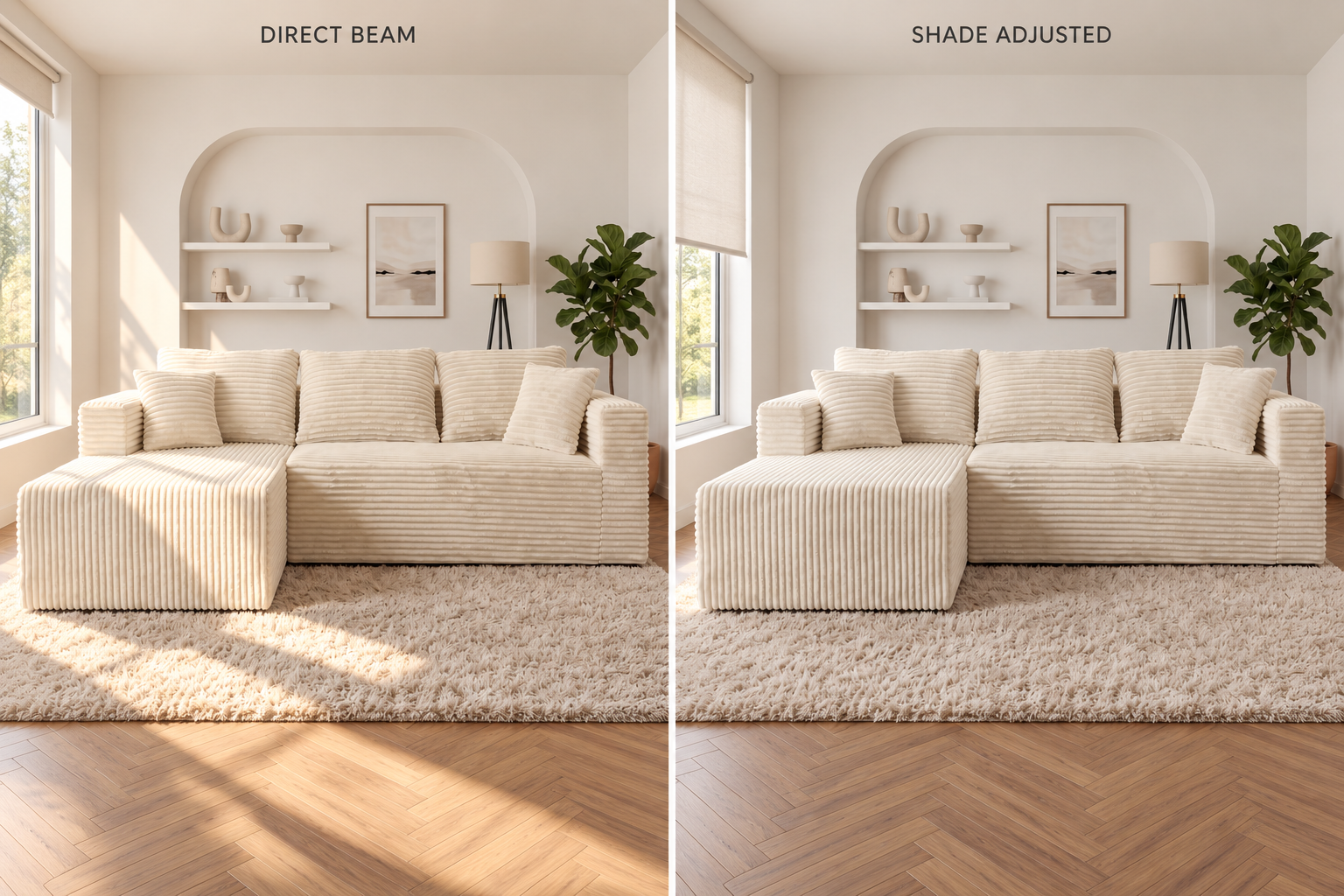
Start with the strongest direct sun. Try a shade or curtain setting that intercepts that beam during the relevant part of the day. Then check whether the room still works for reading, watching television and moving between doors.
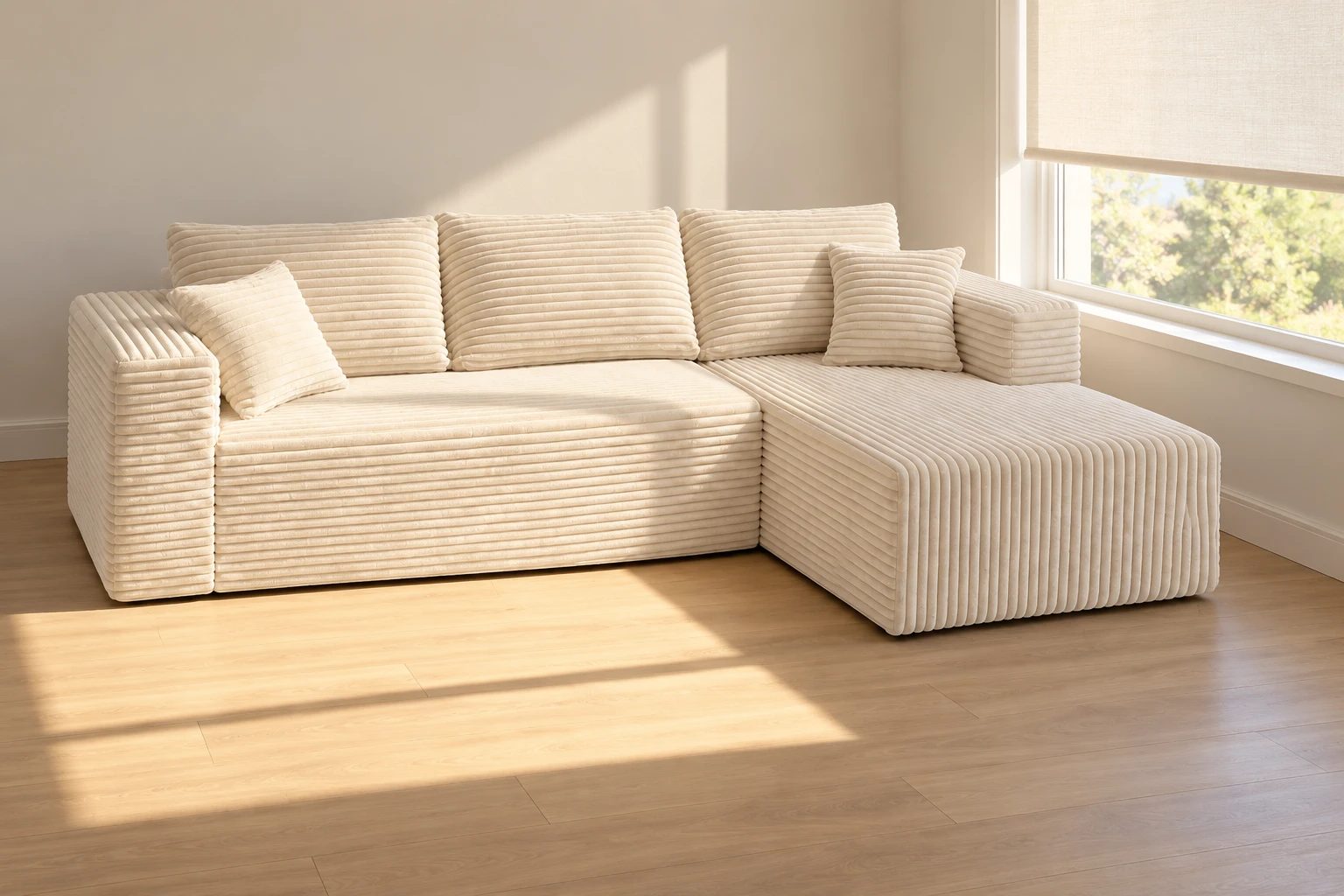
For example, suppose the afternoon beam crosses the chaise while you're away, but the main seats remain outside it. Start by adjusting the window covering for that period rather than closing every curtain all day. Check the chaise again with the shade in place, then sit in your usual spot to see whether the room still has the light you want. If the beam keeps reaching the upholstery, reconsider the placement.
If rearranging is practical, place seating outside the recurring direct-sun area. Use a side table or another suitable non-upholstered piece near the window if that lets you keep the view. Check the real product footprint and routes before moving a chaise; solving light exposure by blocking a doorway is a poor trade.
Window-film claims need their own verification. Find out what the particular film does and whether it is compatible with your glazing. Getty's explanation of gallery lighting describes controlling both natural and artificial light and cumulative exposure. A UV-related claim alone should not be treated as a blanket guarantee against all light-related changes in furnishings.
For The L compressed sectional, mark its roughly 92.5 × 61-inch expanded footprint in the alternative location. Add the table, open the nearest storage and walk to the shades. If the new position avoids the sun patch but puts the chaise across the only route, test the opposite orientation or improve shade control instead. Moving upholstery out of one exposure problem shouldn't create a daily access problem.
Keep a simple ownership record
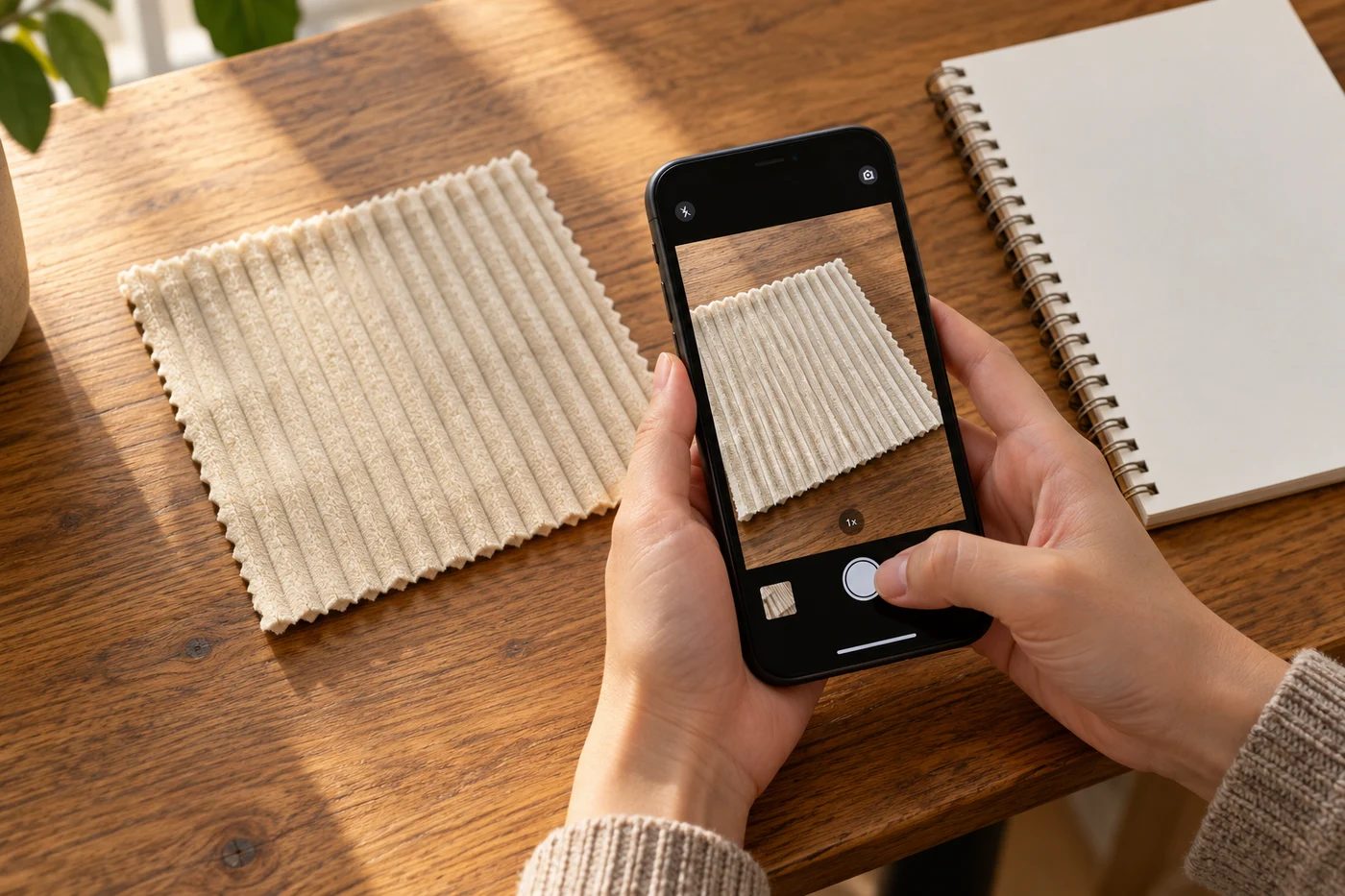
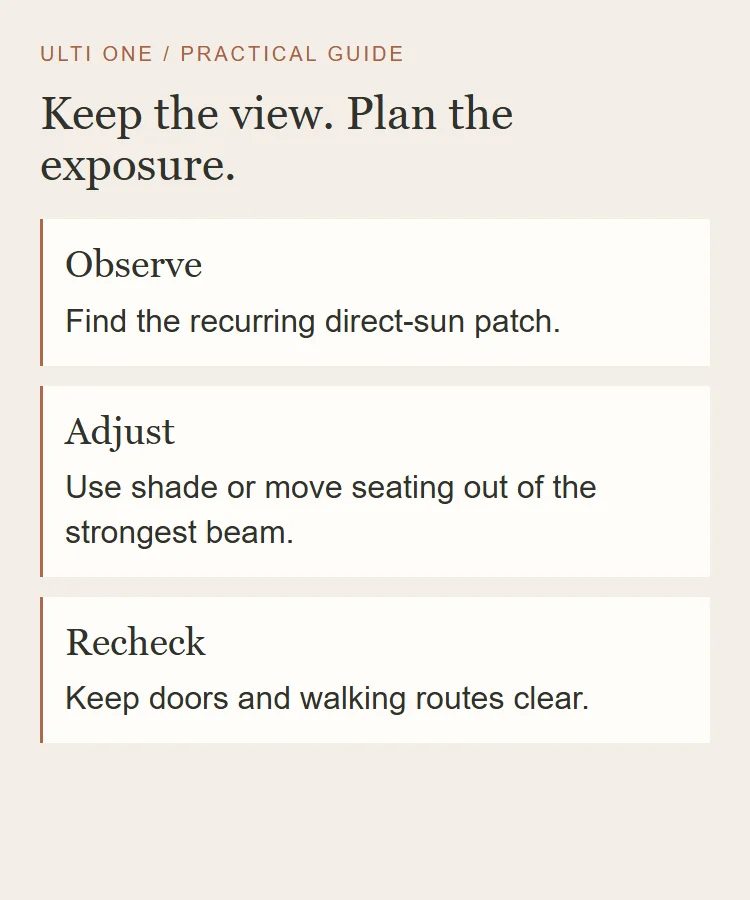
Save the product model and color, care instructions and an initial room photograph. If the appearance changes, make another image from a similar position under comparable light. Record any recent cleaning and where direct sun reaches the furniture.
When browsing the compressed sofa collection, choose the layout you want and make a shade plan for where it will sit. Bright rooms can stay bright; the useful adjustment is controlling the exposure that falls directly on the upholstery while preserving the way you use the space.
Put the test beside the placement decision
ACT's voluntary indoor-upholstery guideline uses a minimum Grade 4 at 40 hours under the stated AATCC light-exposure procedures. The hours are laboratory exposure, not a countdown to fading in your home. Read the grade as a controlled color-change comparison, then plan around the actual direct beam on your sofa.
Production color matching answers another question. A color-difference target of ΔE ≤ 2 helps compare fabric with an approved reference under controlled conditions. It is not a sunlight-resistance rating. For choosing cream, sage or navy corduroy, use the color and texture you enjoy, then position the sofa and shade so that choice is not exposed to the same strong sun patch all afternoon.