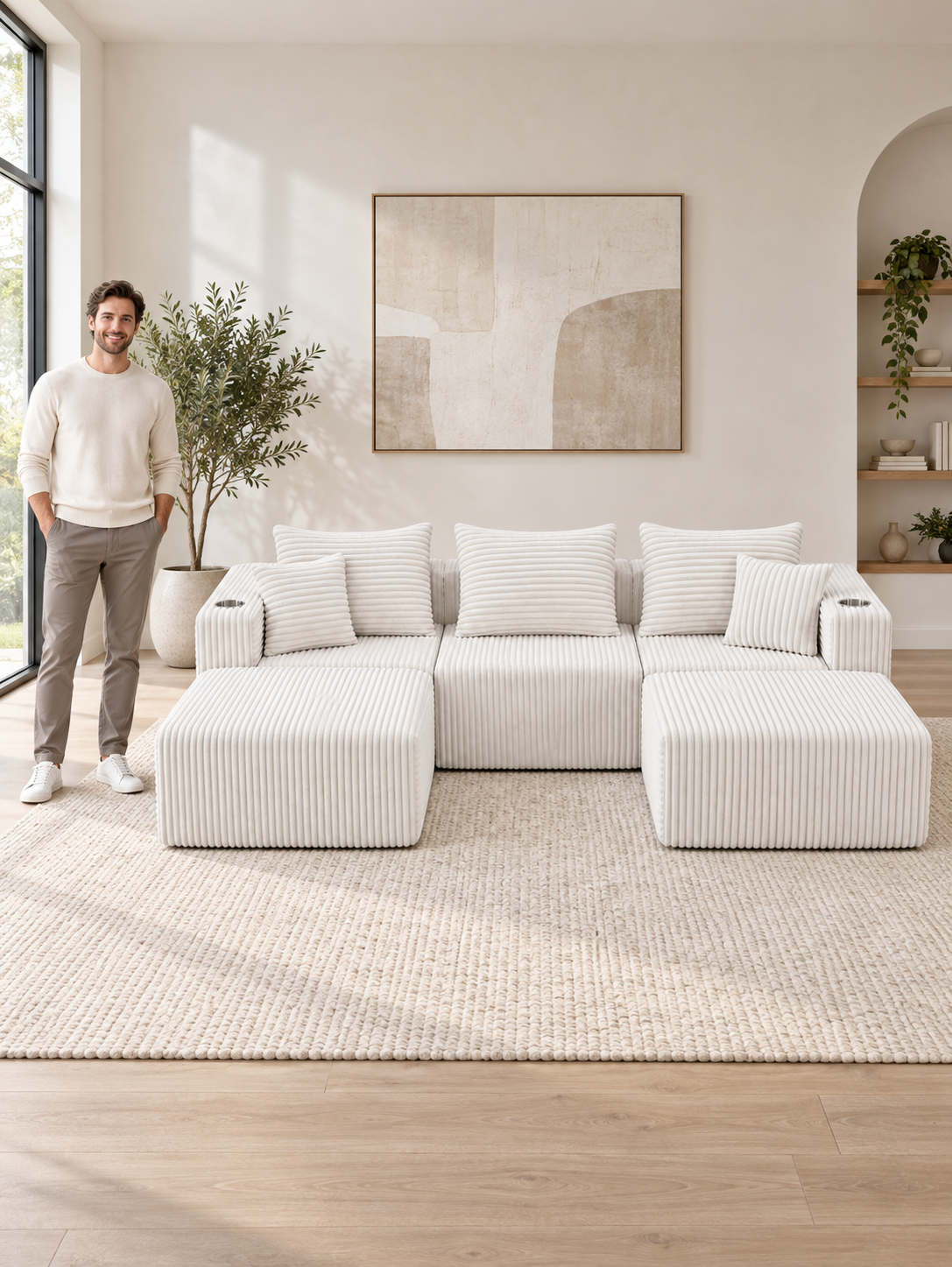
Ultione / Journal
Creative Studio
A Compressed Sofa for a Creative Studio
Fit a compressed sofa into a creative studio without sacrificing working space. Test the desk chair, large-sample route and a clean place to review work.
The short answer
What you need to know
A compressed sofa can provide a review and conversation zone in a creative studio when it stays separate from wet, dusty or sharp work. Test the route with your largest board or sample, the desk chair pulled back and storage open. THE L's low lounge seat also changes the viewing angle to a wall display. Choose the review position and reachable sample surface before adding decoration.
A compressed sofa in a creative studio should give people a place to review work without stealing the floor needed to make it. Keep the desk, storage, and entry connected before adding a lounge zone.
In a US or Canadian home studio, compare the finished lounge with the daily desk-chair and sample-carrying routes before using compact delivery as the deciding advantage.
Separate making from reviewing
The L needs a 92.5 x 61-inch footprint after recovery. Mark it beside the desk, with the chaise away from the turn used to carry work. Check chair pull-out and the largest sample together in the trial below.
 The L
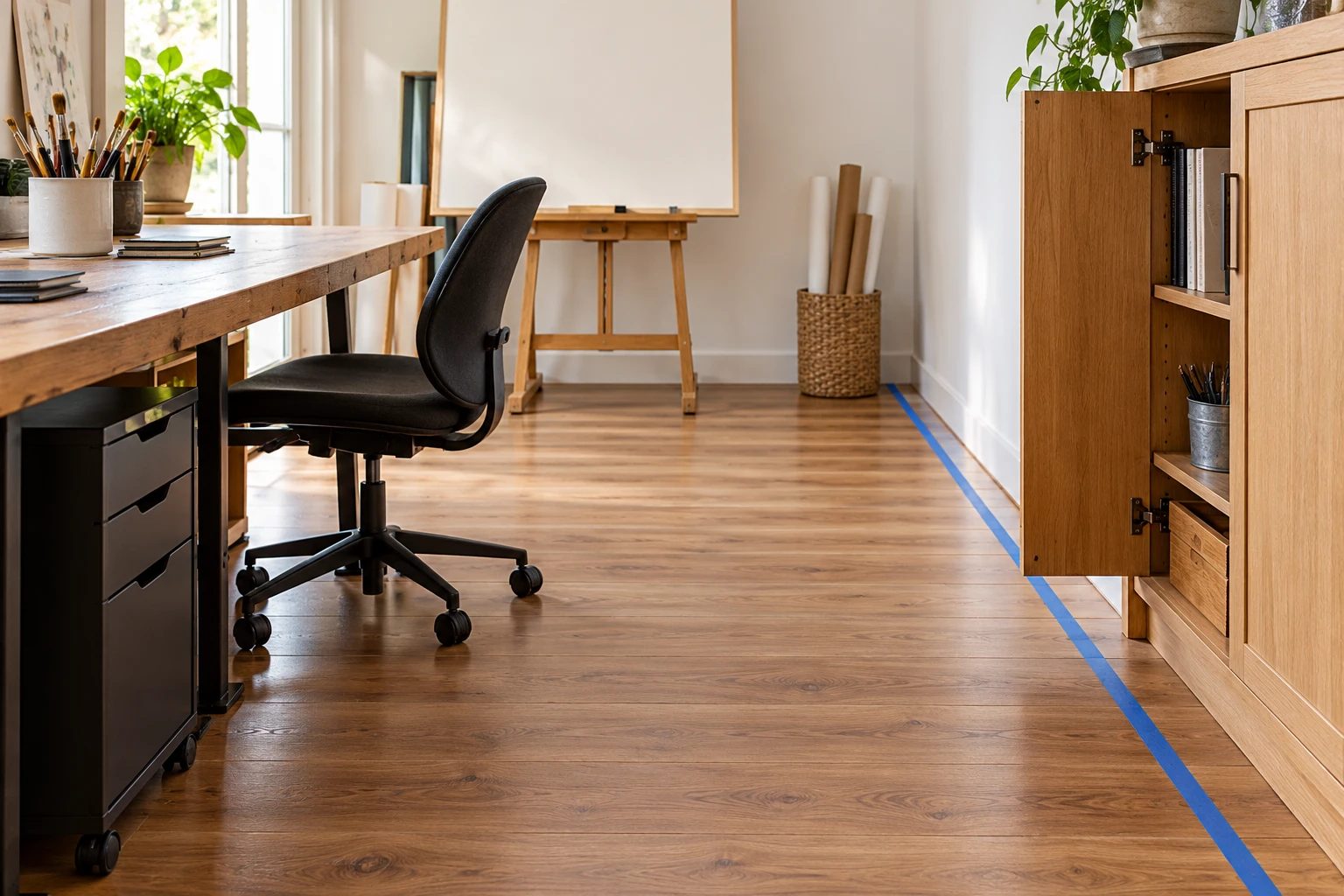
Keep power cords and wheeled chairs out of the sofa approach. A rug can mark the review area, but check that its edge does not catch the desk chair or the door when the room is busy.
Shortlist a layout from the ULTI ONE compressed sofa collection after the desk chair and sample-carrying route work together. If the 92.5-by-61-inch The L footprint takes away the floor you need for making, keep the review seat smaller or move it to another zone.
Plan the room for the largest thing you carry
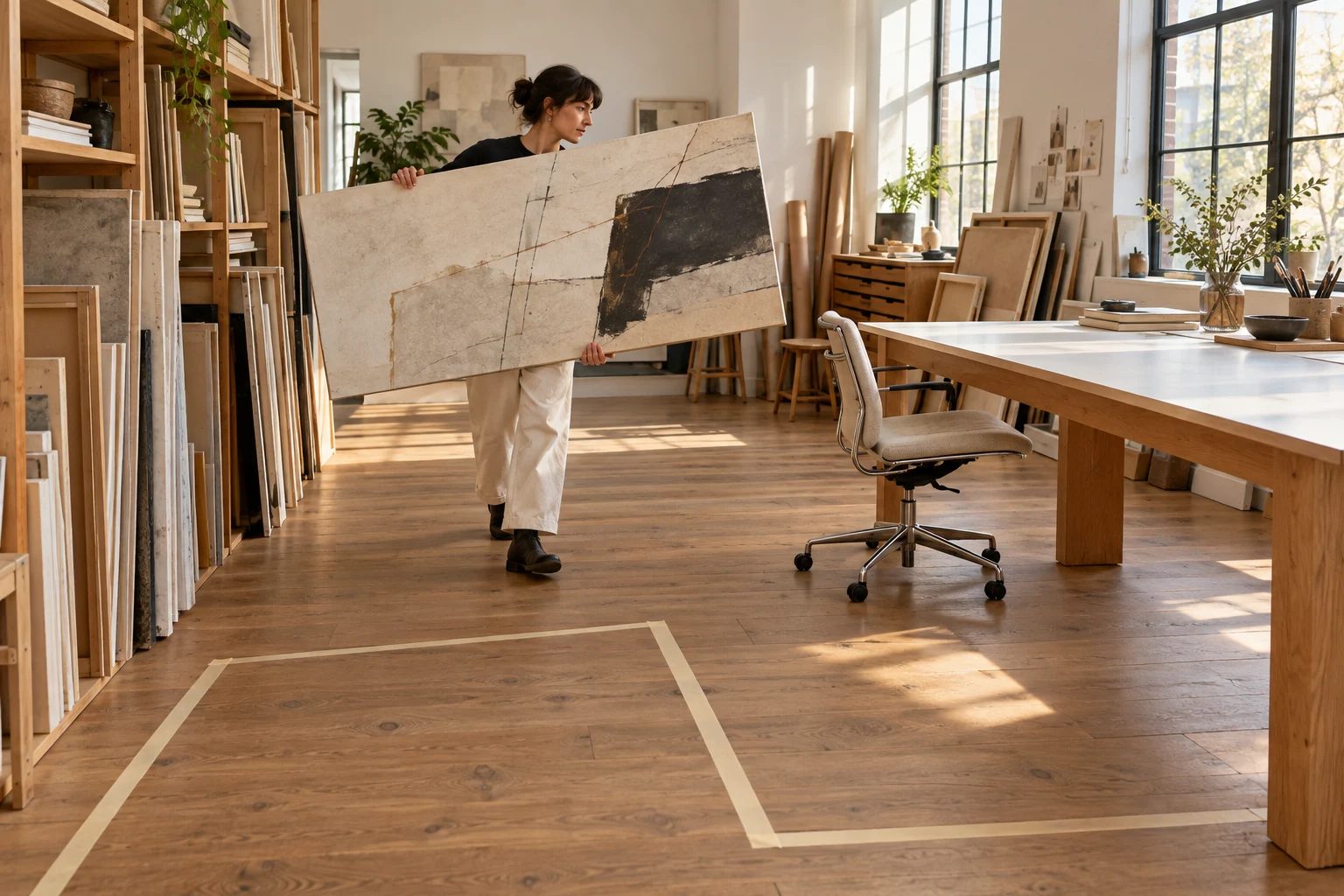
Run the trial with a blank board or the largest finished piece you normally carry, moving it from workbench to review wall and storage. A wide drawing needs room for your hands beyond its edges, and its front corner swings outward when you turn. A camera case needs a usable place to set down before you open storage. Pull the desk chair back, open the storage and have another person occupy the review area during the trial.
If the board catches the chaise on the turn, try the opposite orientation or move the review boundary before narrowing the work area. If the open cabinet creates the pinch point, move the storage opening. Keep the corridor useful for the object and its carrier, so you can carry work through without clearing the lounge each time.
Check the working depth, not only the sofa width
For an illustrative 12-foot-deep studio, a 30-inch-deep desk and a 61-inch chaise reach use 91 of the room's 144 inches if they face each other. That leaves 53 inches before chair pull-out, a table or the carrier's route. Use your actual desk and chair measurements in the same subtraction. A chair that rolls back into the chaise needs a different boundary, even if the desk and sofa each fit their walls.
Keep the most-used work route direct. Put a discussion table within seated reach, but leave a landing surface near the workbench for drawings and sample boxes. Separating those jobs prevents a visitor's drink from sharing the only place available for a large board.
Let one piece carry the color
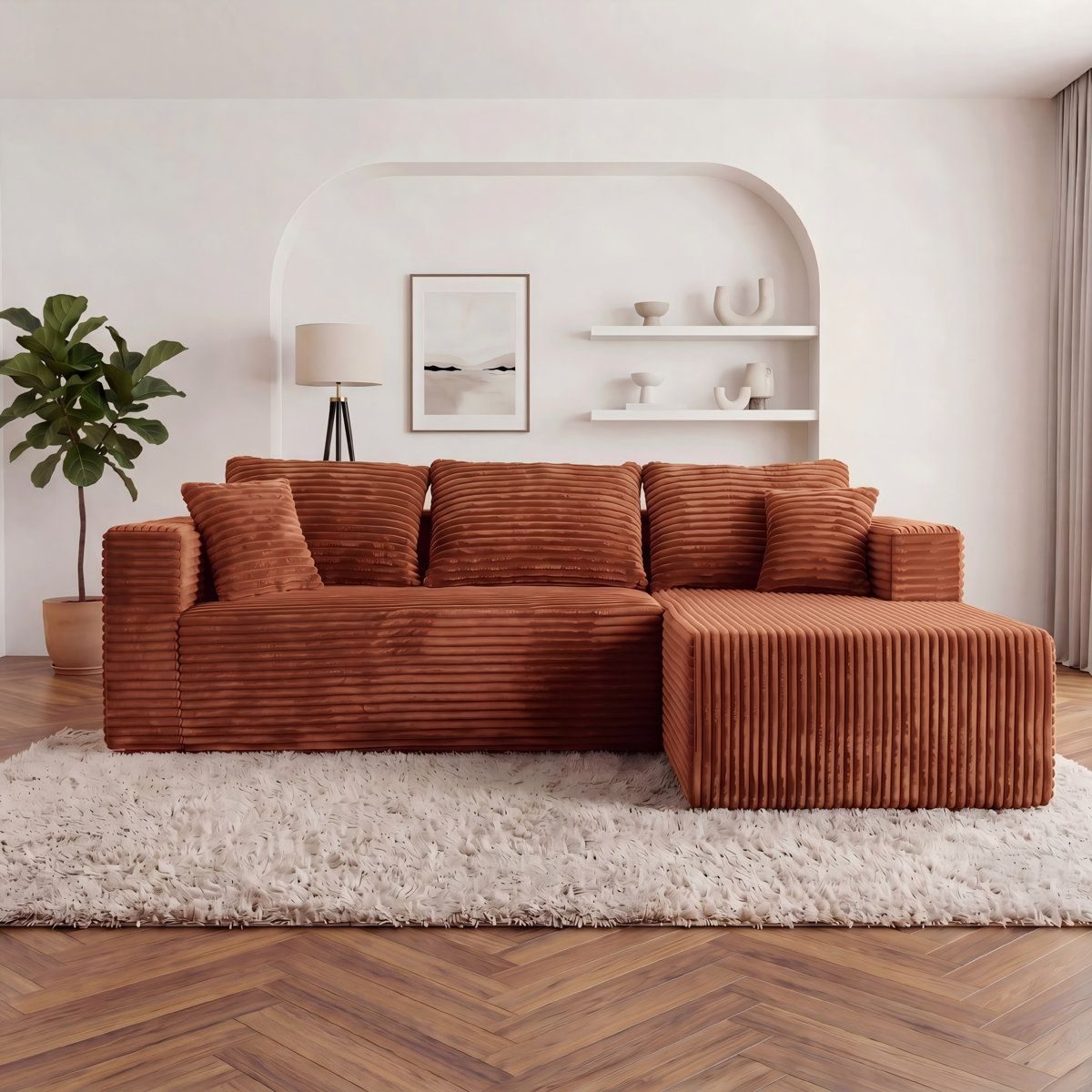
Caramel wide-wale corduroy adds warmth to plaster, steel, timber, and white canvas. When the color lives in one substantial piece, the studio can stay focused without feeling cold.
Choose upholstery for the review zone, not the workbench
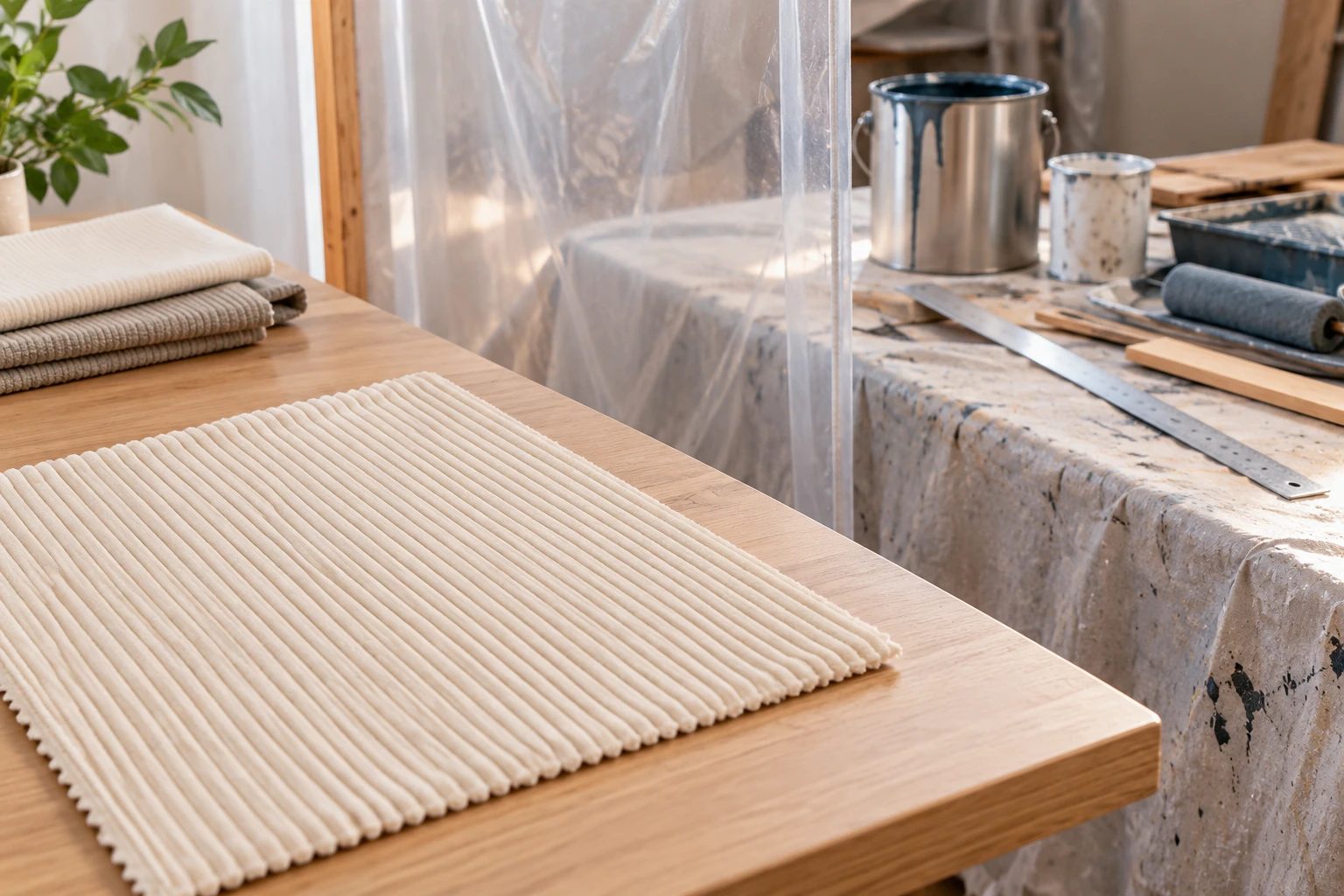
Corduroy suits a dry discussion area when its texture and routine care match the work you do. Its rib channels collect loose debris, so a dusty workshop needs separation from the lounge and regular gentle suction. Wet paint, solvents and sharp samples belong on protected work surfaces, not cushions. If those materials routinely enter the seating zone, change the workflow or choose seating intended for that exposure; color and a high rub count do not make upholstery a washable work surface.
Check the box route before moving day
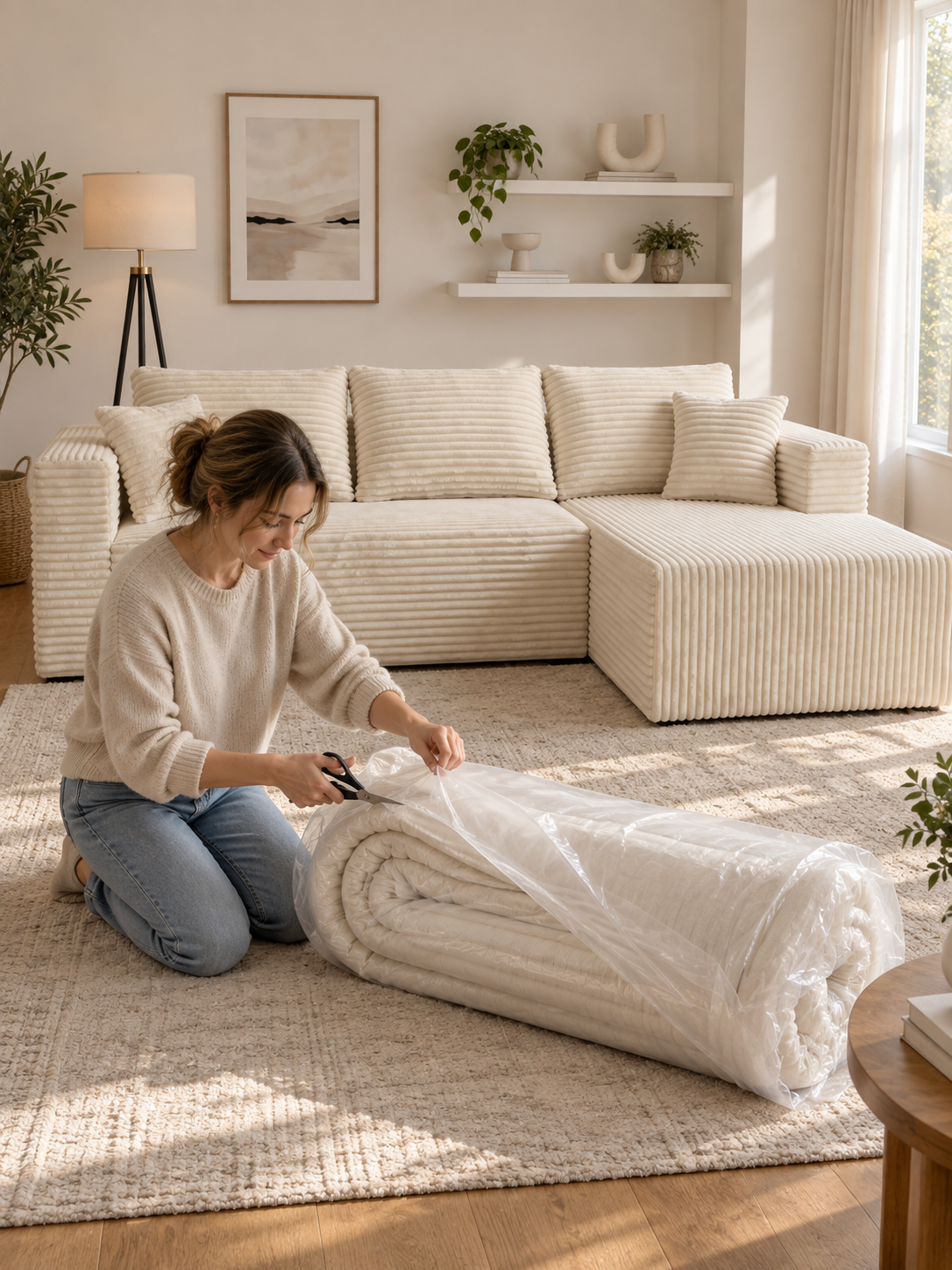
The L ships in one box, about 42.1 x 24.4 x 12 inches. Check the stair landing, elevator, and studio door before opening it. Once recovered, it occupies the full taped footprint, so leave space for the desk and storage you use every day.
Use the lounge to review, not to store
Choose the review surface first. For pinned work, sit at the center and chaise and check that you can see the whole board. For a screen, check the reflection from your task light. For physical samples, provide a table that holds them flat without making a visitor lean over a drink.
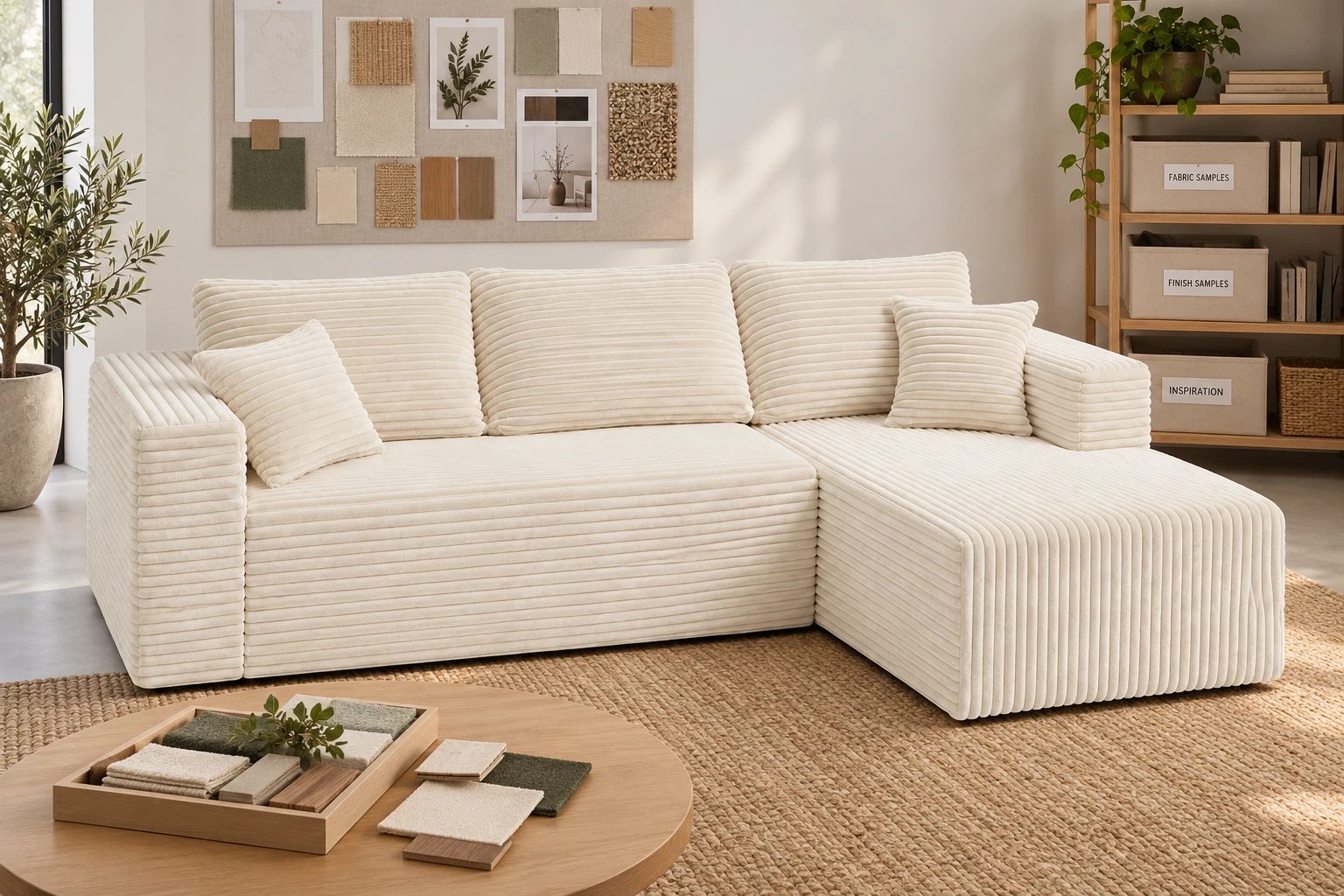
Bring dry samples to a tray on the review table. Keep those still under discussion on a nearby shelf; return finished ones to named work storage. Clear dry debris from the corduroy with gentle suction along the channels, and treat spills using the upholstery instructions.
Make the review position useful
The L's ordinary seat is about 16 inches high and 25.6 inches deep. For a short screen review, check the view from that actual eye position; a wall display designed for standing can feel too high from a low lounge. For discussion around physical samples, a reachable table is more useful than a deep central table that requires everyone to lean forward.
At the end of a workday, return unfinished materials to a tray or shelf, clear the table and change from task light to the lounge light. Keep charging cables on the desk side and give the review zone its own reachable switch. The room then changes use through a short routine, not by moving the entire sectional. This makes a compressed sofa appealing in a home studio when the finished footprint serves discussion as well as relaxation.
Keep some space unfinished
Leave part of one wall and one surface open for the next project. Store unfinished materials on the tray or shelf rather than using the sofa as overflow storage.
Browse the Ultione compressed sofa collection before marking the studio floor, then check The L left-chaise product dimensions against the desk and storage routes.
From the compressed sofa collection
Set the chaise around the working floor
The L is a compressed modular sofa with a directional chaise. Keep that chaise away from the busiest route between the desk, storage, and door.